Running a food processing operation without a solid maintenance routine is like driving a car without ever changing the oil. Eventually, things break down—and when they do, it is expensive. After 15 years of installing and servicing vacuum packaging equipment, I have seen preventable failures cost facilities thousands in emergency repairs and lost production time.
The good news? 80% of common vacuum packaging machine issues can be prevented with regular maintenance. In this guide, I will share the maintenance practices that separate high-performing facilities from those constantly fighting breakdowns.
Why Maintenance Matters More Than You Think
Let me share a story. A meat processing plant in Texas called me for an emergency visit—their main chamber vacuum sealer had failed catastrophically during a busy production day. The repair cost? $12,000. The lost production? Another $8,000. Total damage: $20,000.
When I opened the machine, I found months of accumulated debris in the sealing bar channel. This single preventable issue had melted the Teflon cover and damaged the heating element beyond repair.
That is when I realized: most operators do not understand what proper maintenance actually means. Let me change that.
The 7 Essential Maintenance Tips
1. Daily: Clean the Sealing Area
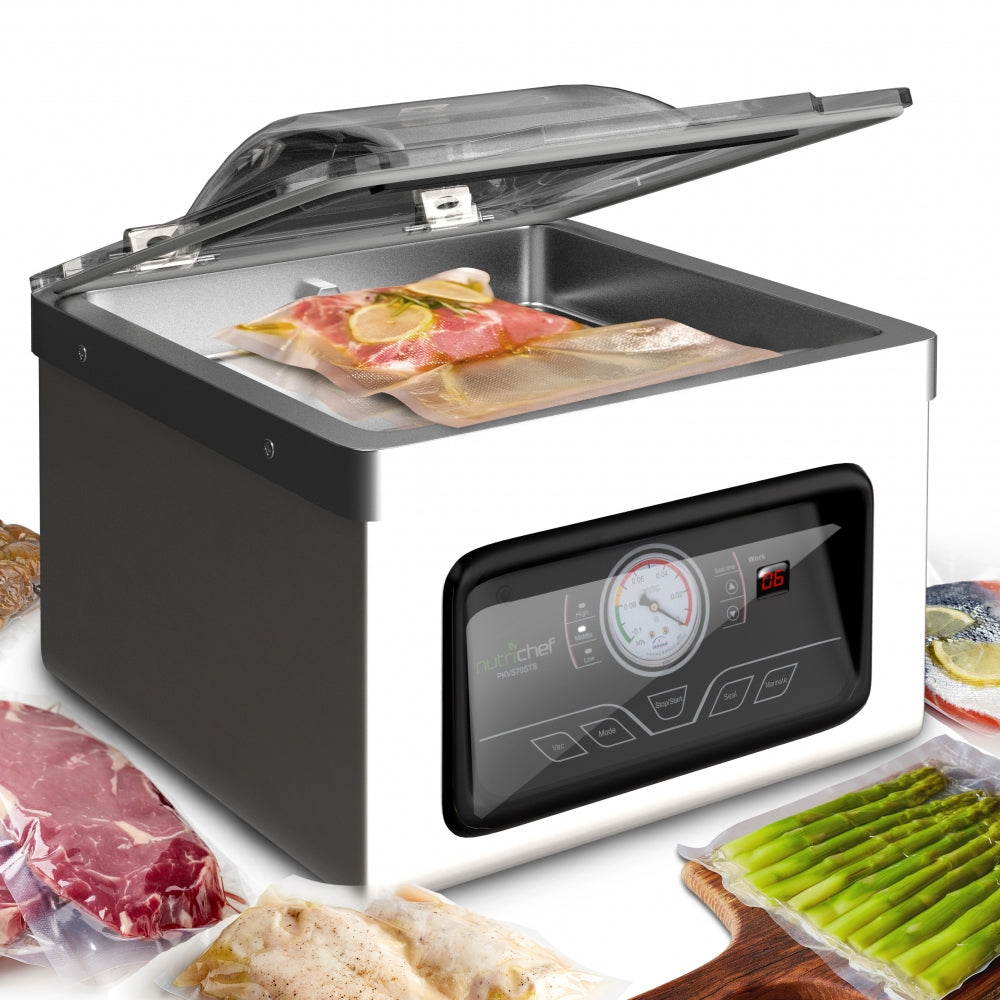
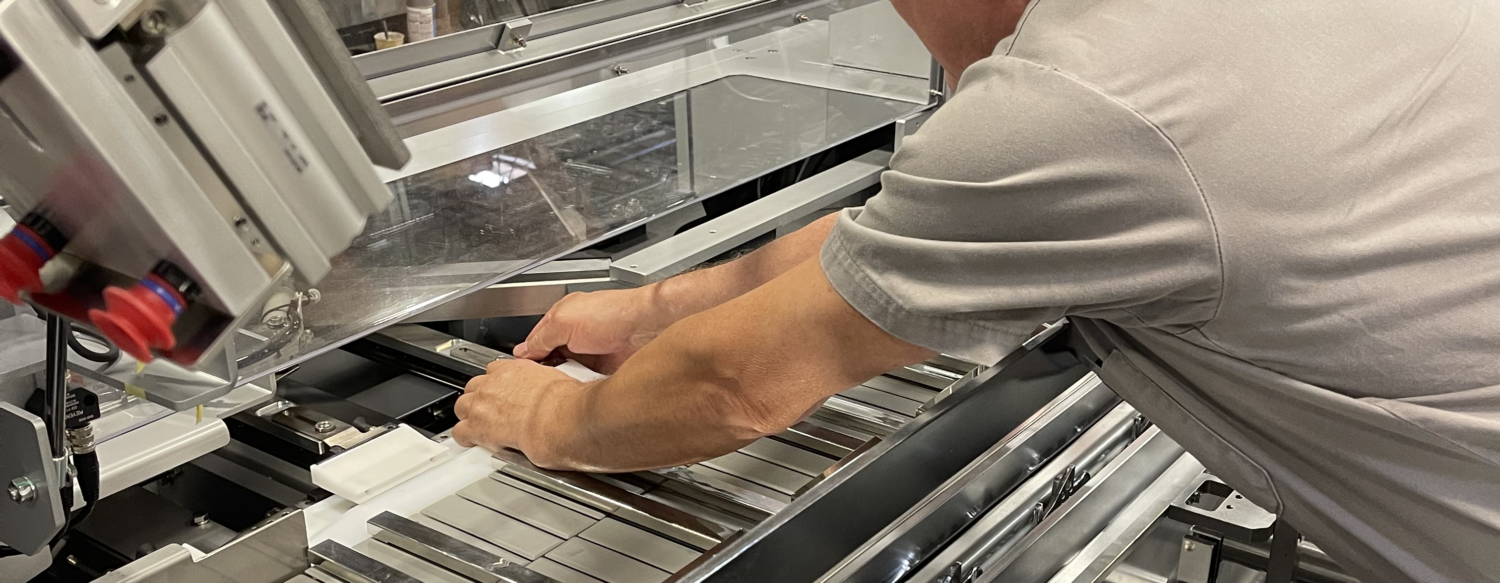
Every single day, before starting production:
- Wipe the sealing bar with a damp cloth
- Remove any food particles or residue
- Check the Teflon cover for wear or damage
- Verify the sealing wire is clean and intact
Time required: 5 minutes
Savings potential: Prevent $500-2,000 in seal failures monthly
2. Weekly: Inspect and Clean the Vacuum Chamber
Once per week, perform a deeper clean:
- Remove the chamber cover or door
- Clean all surfaces with food-safe sanitizer
- Check the gasket seal for cracks or hardening
- Inspect the vacuum pump intake filter
- Verify all electrical connections are secure
Time required: 30 minutes
Savings potential: Extend machine life by 2-3 years
3. Monthly: Pump Oil Analysis and Replacement
The vacuum pump is the heart of your machine. Treat it that way.
Check the oil condition monthly:
- Oil should be clear and amber-colored
- Dark or milky oil indicates contamination
- Change oil every 500-1,000 operating hours
- Use only manufacturer-specified oil
Cost of oil change: $30-80
Cost of pump replacement: $2,000-5,000
Do the math.
4. Quarterly: Comprehensive Inspection
Every three months, perform a thorough examination:
- Check sealing temperature with temperature strips
- Test vacuum level with a gauge
- Inspect all hoses for cracks or leaks
- Lubricate moving parts per manufacturer specs
- Calibrate timing cycles if available
- Review operation logs for performance trends
5. Semi-Annual: Professional Service
No matter how handy your team is, schedule professional service every 6 months:
- Full system diagnostics
- Electrical safety testing
- Calibration verification
- Component wear assessment
- Preventive replacement of aging parts
Investment: $300-800 per service
Return: Avoid 90% of emergency breakdowns
6. Document Everything
Create a maintenance log and record:
- Date and time of each maintenance action
- Oil changes and filter replacements
- Any unusual sounds, smells, or performance changes
- Parts replaced and costs
- Operator observations
This documentation helps identify patterns and proves maintenance was performed if warranty claims arise.
7. Train Your Team
Maintenance is not a one-person job. Ensure everyone who operates the equipment understands:
- Daily cleaning procedures
- What normal operation looks like
- Warning signs of potential problems
- Who to report issues to
- Emergency shutdown procedures
The Maintenance Schedule That Works
| Frequency | Task | Time Required |
|---|---|---|
| Daily | Seal bar cleaning | 5 minutes |
| Daily | Visual inspection | 2 minutes |
| Weekly | Chamber deep clean | 30 minutes |
| Monthly | Oil check/replacement | 20 minutes |
| Quarterly | Comprehensive inspection | 2 hours |
| Semi-Annual | Professional service | Half day |
Warning Signs You Should Not Ignore
These symptoms indicate your machine needs immediate attention:
- Weak seals: Packages opening easily—check temperature and sealing bar condition
- Slow vacuum: Taking longer than normal to reach vacuum level—check for leaks or pump issues
- Unusual noises: Grinding, clicking, or excessive vibration—stop immediately and inspect
- Oil leaks: Oil pooling under the machine—check seals and connections
- Foul odors: Burning smell—shut down and call service
- Inconsistent results: Some packages seal perfectly, others fail—calibration needed
Conclusion: Prevention Beats Cure Every Time
After 15 years in this industry, I have learned one truth: the cheapest maintenance is the maintenance you do before something breaks.
A vacuum packaging machine is an investment in your business future. Protect that investment with consistent, documented maintenance practices. Your equipment will last longer, perform better, and cost you less in the long run.
If you have questions about maintenance procedures for your specific equipment, our technical team is here to help. We have helped over 500 facilities implement maintenance programs that actually work.