The global food packaging industry is undergoing a fundamental shift toward sustainability. With the market for sustainable packaging valued at $347.6 billion in 2025 and projected to exceed $500 billion by 2030, manufacturers of commercial food packaging machinery face unprecedented pressure to adapt their equipment and processes. For B2B buyers evaluating suppliers in 2026, understanding which manufacturers are genuinely committed to sustainable innovation versus those merely adding green labels has become a critical due diligence task.
This guide provides a comprehensive framework for evaluating whether a packaging machinery manufacturer meets genuine sustainability standards — covering energy efficiency, material reduction capabilities, recyclable film compatibility, and the environmental certifications that actually matter in 2026.
Why Sustainability Has Become Non-Negotiable for B2B Buyers
Three converging regulatory and market forces are making sustainability a procurement requirement rather than a preference:
- EU Packaging and Packaging Waste Regulation (PPWR) — Effective 2025, setting binding reduction targets of 5% by 2030 and 15% by 2040
- Extended Producer Responsibility (EPR) — Now mandatory in 23 countries, shifting end-of-life disposal costs to manufacturers
- Brand Owner Sustainability Commitments — Major retailers (Walmart, Tesco, Carrefour) now requiring suppliers to demonstrate measurable packaging reductions
B2B buyers who fail to account for these requirements risk supply chain disruptions, regulatory penalties, and losing shelf space with sustainability-focused retailers.
The Sustainable Packaging Machinery Evaluation Framework
1. Energy Efficiency: The Foundation of Sustainable Equipment
Energy consumption represents the largest environmental footprint of packaging machinery over its operational lifetime. A machine’s energy efficiency directly correlates with both environmental impact and operating cost.
What to evaluate:
- Specific Energy Consumption (SEC) — kWh per 1,000 units produced. Compare across manufacturers using identical film and product test parameters
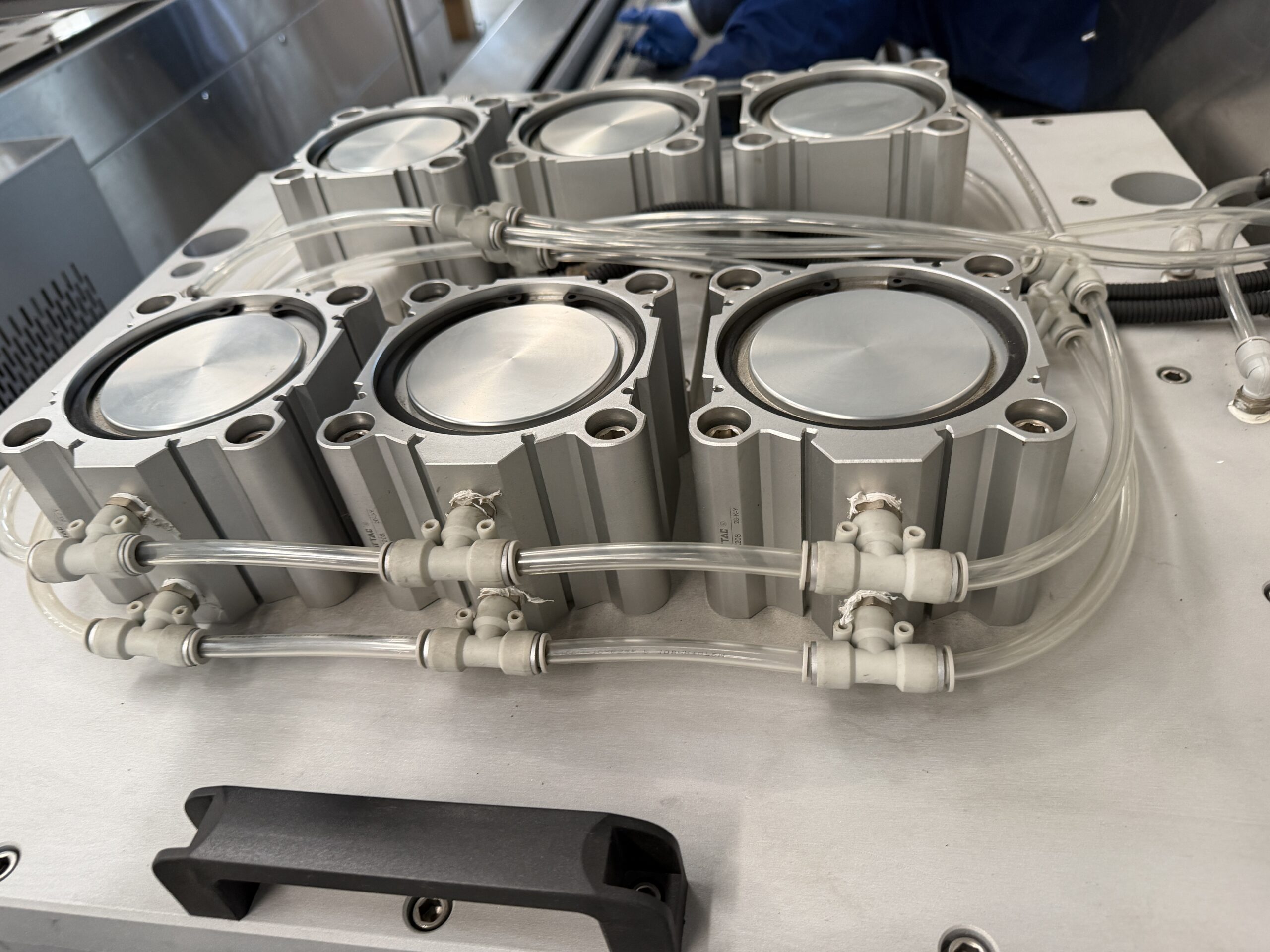
- Servo Motor Adoption — Modern servo-driven machines consume 25-40% less energy than traditional pneumatic systems
- Heat Recovery Systems — Advanced units capture waste heat from the sealing process for pre-heating film, reducing overall energy demand
- Standby Mode Capability — Machines with automatic standby reduce energy waste during production changeovers
2. Material Reduction Capabilities
The PPWR regulation and retailer requirements are driving demand for lightweighting — using less material without compromising protection. Modern thermoforming and vacuum packaging machines must demonstrate:
- Thinner gauge film compatibility — capable of operating with films as thin as 40 microns for rigid trays and 20 microns for flexible packaging
- Precision forming technology that produces uniform wall thickness, reducing material use while maintaining structural integrity
- Optimized seal geometry that uses less sealing area without compromising hermetic seal strength
- Intelligent film feeding systems that minimize film waste during start-up and changeover
3. Recyclable and Monomaterial Film Compatibility
The shift toward recyclable packaging is accelerating, particularly for mono-material polyethylene (PE) and polypropylene (PP) structures that replace multi-layer non-recyclable laminates. Your machinery must be compatible with:
- Mono-PE films — Increasingly standard for flexible vacuum packaging; requires lower sealing temperatures (130-150C vs. 170-200C for laminates)
- Mono-PP films — Higher temperature resistance; suitable for hot-fill and pasteurization applications
- Paper-based packaging — Emerging option for dry goods; requires specialized sealing technology
- Post-consumer recycled (PCR) content films — Up to 30% PCR in rigid trays; variable material properties require adaptable equipment
4. Certifications That Actually Matter in 2026
Not all sustainability certifications carry equal weight. B2B buyers should prioritize manufacturers holding:
| Certification | Issuing Body | What It Verifies | Relevance |
|---|---|---|---|
| ISO 14001:2015 | ISO | Environmental Management System | ⭐⭐⭐ Core requirement |
| CE Marking | EU Commission | Safety and environmental compliance | ⭐⭐⭐ Mandatory for EU market |
| USDA BioPreferred | USDA | Biobased content verification | ⭐⭐ US market |
| FSC Certified Packaging | FSC | Paper/cardboard source verification | ⭐ Paper packaging |
| Carbon Footprint Verification | TUV / Bureau Veritas | Product carbon lifecycle assessment | ⭐⭐ Growing importance |
5. Spare Parts and Refurbishment Programs
Sustainable manufacturing extends to how equipment is maintained and its useful life maximized. Evaluate whether the manufacturer offers:
- Modular spare parts designed for easy replacement rather than whole-unit exchange
- Machine refurbishment and upgrade programs to extend operational life beyond the standard 10-15 year lifespan
- Availability of spare parts for 10+ years after purchase, preventing premature equipment disposal
- Documentation and training to enable in-house maintenance, reducing service-related transportation emissions
How KBT Packaging Addresses Each Pillar
KBT Packaging integrates sustainability considerations into its equipment design and manufacturing process across each evaluation dimension:
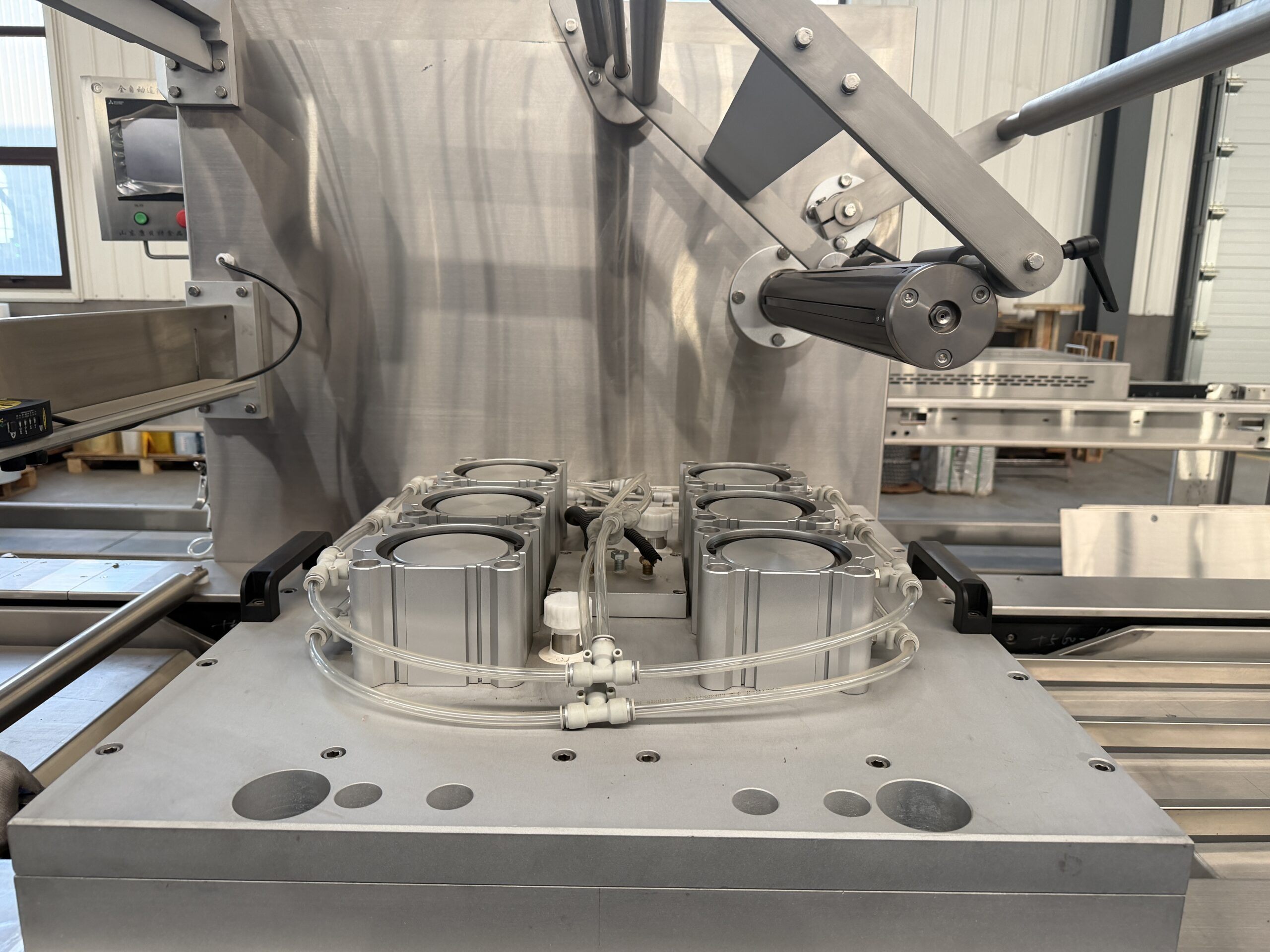
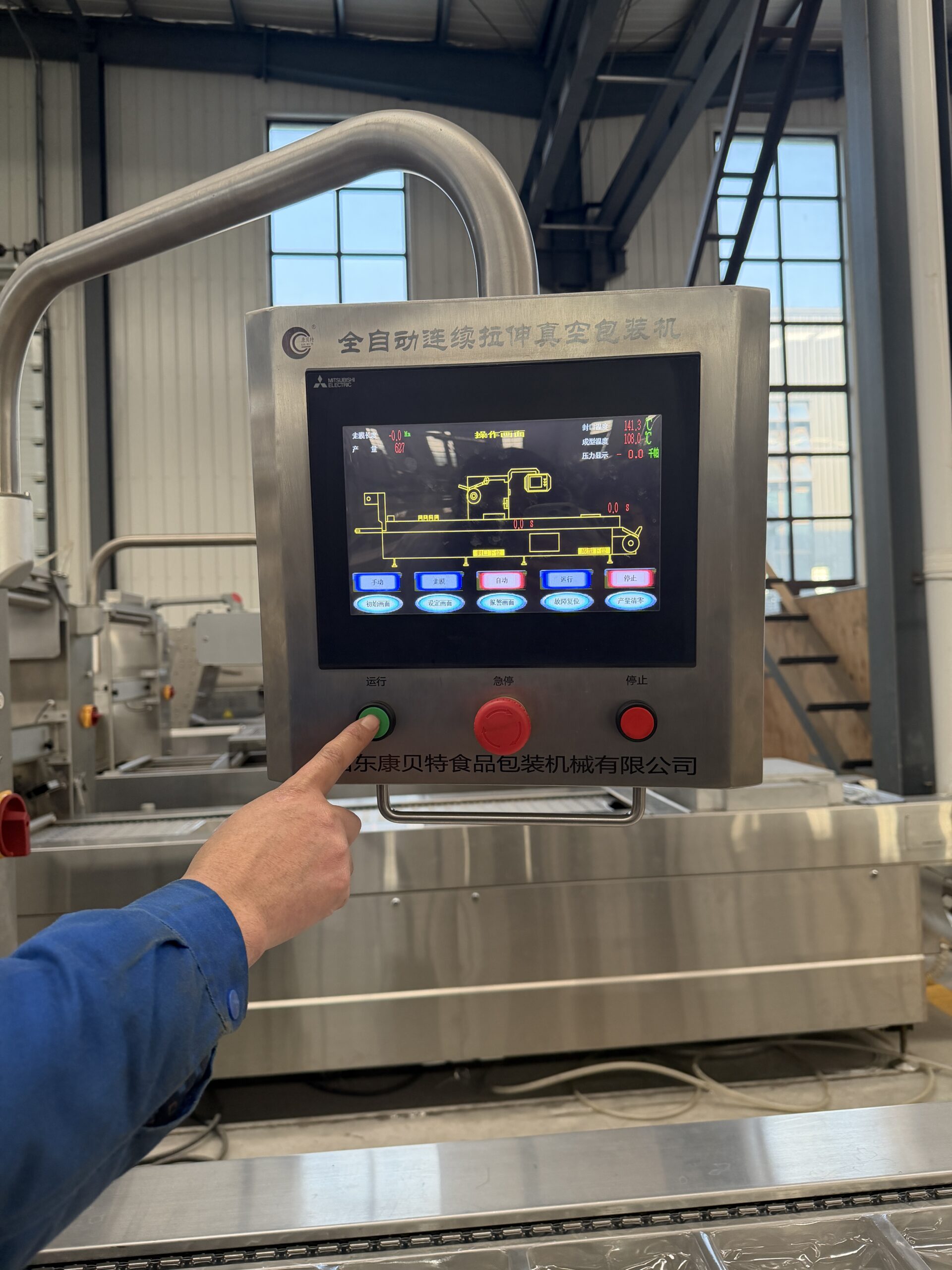
- Energy Efficiency — All DRZ-series thermoforming machines feature servo-driven forming and feeding as standard, with optional heat recovery systems. SEC values are published in the product specification sheets.
- Material Reduction — KBT machines are validated for operation with mono-material PE and PP films down to standard industry gauges, supporting the transition to recyclable packaging structures.
- Film Compatibility — Our technical team conducts film compatibility testing prior to delivery, ensuring optimal sealing parameters for each customer’s specific film type.
- Certifications — KBT holds ISO 9001:2015 certification and CE marking for all export models, with EU-recommended environmental documentation provided for EPR compliance purposes.
- After-Sales Support — Spare parts are available for all current and legacy models, and our technical team provides installation, training, and annual maintenance programs globally.
Conclusion: Making the Right Sustainability Assessment
B2B procurement decisions in 2026 must move beyond surface-level green claims. A rigorous sustainability evaluation framework — covering energy efficiency, material reduction capability, film compatibility, relevant certifications, and lifecycle support — will help buyers identify genuinely committed suppliers.
The manufacturers that invest in real sustainability innovation today will be the partners that protect your supply chain compliance and brand reputation as regulations tighten further through 2030 and beyond.
Frequently Asked Questions
Q1: What is the most important certification for sustainable packaging machinery?
ISO 14001:2015 (Environmental Management System) is the most recognized baseline, while CE marking is mandatory for EU market access. However, certifications alone are insufficient — request actual performance data including Specific Energy Consumption (SEC) values and film compatibility test results.
Q2: Can existing packaging equipment handle recyclable mono-material films?
Many modern machines can, but sealing temperature parameters typically need adjustment. Mono-PE films require sealing temperatures of 130-150C compared to 170-200C for traditional laminates. Consult your equipment manufacturer for validated parameter settings.
Q3: How much energy can servo-driven packaging machines save compared to pneumatic systems?
Servo-driven systems typically reduce energy consumption by 25-40% compared to traditional pneumatic alternatives, primarily through precise motion control that eliminates continuous compressor operation.
Q4: What is the typical payback period for investing in more sustainable packaging equipment?
Energy-efficient models with servo drives typically offer payback periods of 18-36 months through reduced energy costs. Additional savings from material reduction and EPR compliance can accelerate the return significantly.
Q5: How does the EU PPWR affect packaging machinery procurement decisions?
The PPWR sets binding reduction targets that will require most manufacturers to transition to lighter packaging or alternative materials. Equipment capable of operating with thinner gauges and recyclable films is essential for compliance with 2030 targets.